



Psalms of Ascent
A long obedience in the same direction / songs of transition
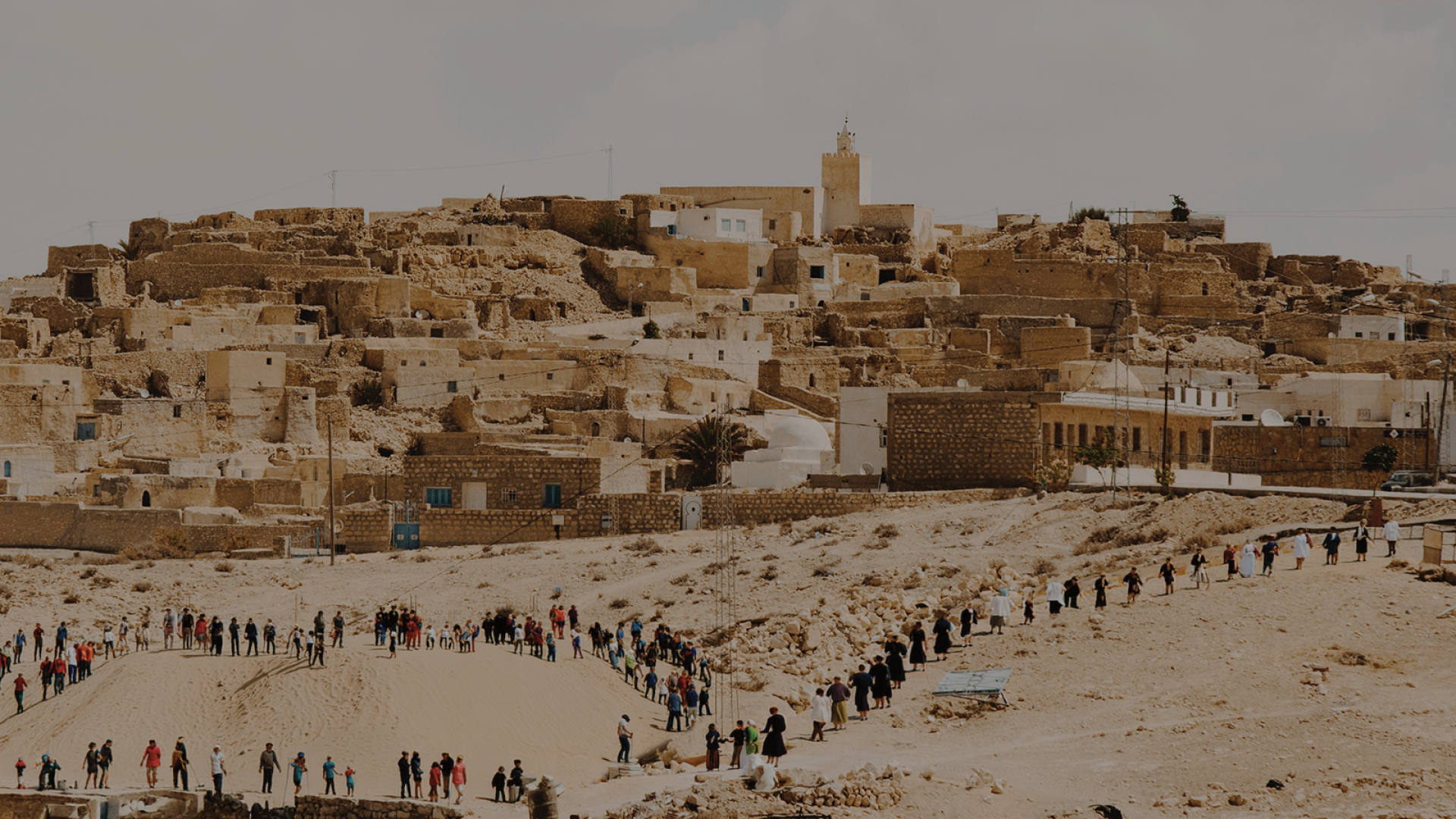
The Psalms of Ascent (Psalms 120-134) were sung by the people of Israel as they made the pilgrimage up to Jerusalem for the great annual festivals. They were songs for travellers-songs of longing, trust, worship, waiting, perseverance, humility, and hope.
These psalms reminded them, and us, that the journey was about more than reaching a destination. God was using the journey itself to shape them into His people. Following Jesus is not simply about arriving at a destination but about being transformed along the way. Scripture describes followers of Jesus as sojourners, exiles, and pilgrims whose true home is found in His kingdom. As His followers, we are learning day by day what it means to trust Christ, love one another, and live faithfully in the world while longing for the New Heavens and New Earth.
The Psalms of Ascent show that the way up is often the way down-it is a path of humility, dependence, repentance, worship, and community. As we journey through these Psalms, we will see how God uses seasons of joy and sorrow, work and rest, waiting and worship, to conform us more fully to the image of Christ.
Each week marks another stage in the pilgrimage-from the first awakening of holy longing to the final invitation to live lives of continual worship and blessing. The goal of the Christian life is not simply to know more about God, but to become people whose lives increasingly reflect the character of Jesus.
Matt Romano—What do you do when you’re in a season that hurts, and nothing seems to be growing?
In this message from our Psalms of Ascent series, we walk the road to Jerusalem with Israel’s pilgrims. They sang about their pain in the language of the farm: “The plowers plowed upon my back; they made long their furrows.” But to a farmer, ploughed ground is never the end of the story. Whether you’re in the ploughing, the waiting, or holding a harvest, this message is for you. Some things grow fast and die by noon. But God is growing a harvest in you. And harvests take seasons.
Resources—Study Guide